
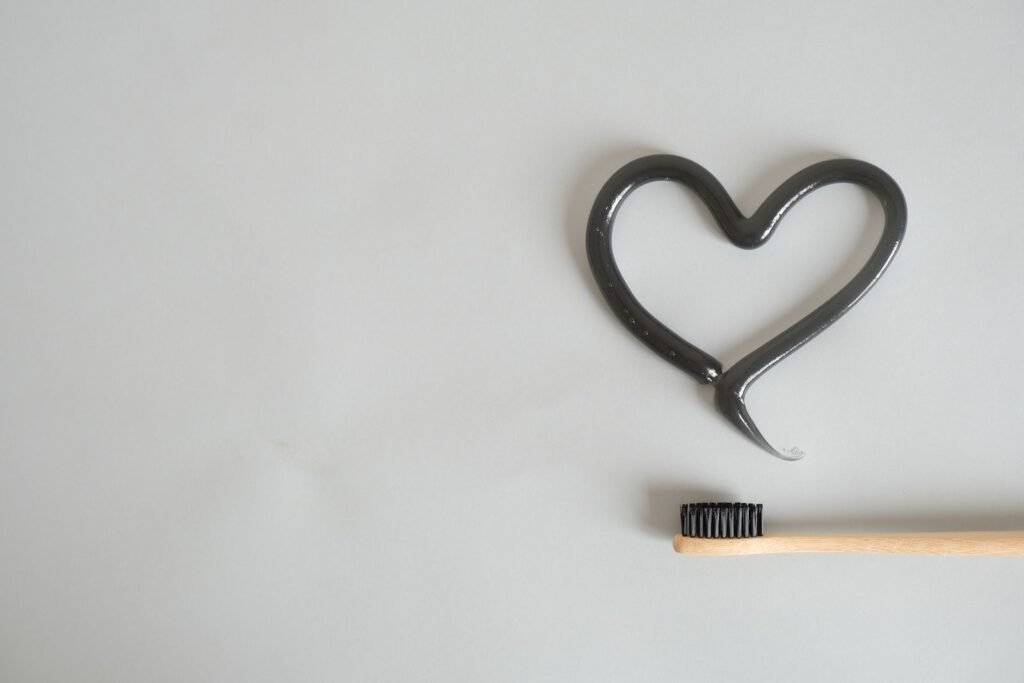
Charcoal toothpaste isn’t inherently dangerous in occasional use, but dental research has raised real concerns about its abrasiveness wearing down enamel with regular, long-term use, and there’s no strong evidence it actually whitens teeth better than standard options. The dramatic black-to-white brushing video is doing more work than the ingredient itself.
I tried it for two weeks specifically to write this. My sink looked like a crime scene. My teeth did not look dramatically whiter.
What charcoal toothpaste is supposed to do
The pitch is that activated charcoal binds to surface stains and toxins, pulling them off your teeth as you brush, the same absorptive property that makes activated charcoal useful in some medical contexts, like treating certain poisonings. Applied to toothpaste, the idea is that this absorption removes coffee, tea, and wine staining more effectively than regular polishing agents.
That’s the theory. The evidence for it working that way in a toothpaste, brushed for two minutes, is thin.
What the research actually found
A 2019 review published in the Journal of the American Dental Association looked at the existing studies on charcoal and charcoal-based dentifrices and found insufficient evidence to support claims of whitening effectiveness or overall oral health improvement. The same review flagged a more specific concern: many charcoal toothpaste formulas are more abrasive than standard toothpaste, which raises the risk of enamel wear with regular use.
This is the part that actually matters more than whether it whitens. Abrasiveness that wears down enamel is a real, cumulative problem, and it’s a bigger deal than a product simply not working as advertised.
Does it actually whiten teeth?
Charcoal toothpaste can make teeth look temporarily different by polishing away surface stain, similar to what any abrasive polishing agent does — this isn’t unique to charcoal. It’s not bleaching the tooth, so if your goal is a genuine shade change rather than surface polish, it’s mechanically in the same category as a whitening powder, not a peroxide-based method, minus the research backing that better-studied powders have.
I compared powder and strip mechanisms in more detail in my full whitening method comparison, and charcoal toothpaste, based on what I now know, wouldn’t have ranked highly in that lineup.
Who should skip it entirely
Anyone with sensitive teeth, exposed dentin, or existing enamel wear should be cautious, since the abrasiveness that’s a mild concern for average users becomes a bigger risk when your enamel is already compromised. If you have dental restorations like crowns or veneers, charcoal’s texture can also be rougher on those surfaces than intended for daily use.
My honest take after using it
The novelty wore off around day four. My teeth didn’t look meaningfully different than before, and I switched back to a gentler routine because the abrasiveness felt unnecessary for what I was actually getting out of it. If gentle surface-stain removal without the abrasiveness question is the goal, I tested a no-peroxide whitening powder for six weeks and had a much better experience — same general “polish, don’t bleach” category, but built with sensitivity in mind rather than a viral ingredient.
Frequently asked questions
Is charcoal toothpaste bad for your teeth?
It’s not inherently dangerous in occasional use, but dental research has raised concerns about its abrasiveness contributing to enamel wear with regular, long-term use. This is a bigger concern than whether it actually whitens.
Does charcoal toothpaste really whiten teeth?
There isn’t strong evidence that it whitens teeth more effectively than standard polishing toothpaste. It can remove some surface staining through abrasion, similar to other polishing agents, but it doesn’t bleach the tooth’s actual color.
Why do dentists warn against charcoal toothpaste?
The main concern is abrasiveness. Studies have found many charcoal toothpaste formulas are more abrasive than standard toothpaste, which can wear down enamel with regular use over time.
Is charcoal toothpaste safe to use every day?
Regular, daily use is where the abrasiveness concern becomes more relevant, since enamel wear is cumulative. Occasional use carries less risk than making it your everyday toothpaste.
What’s a gentler alternative to charcoal toothpaste for whitening?
A no-peroxide whitening powder targets the same surface-stain removal goal with less abrasiveness and more research behind the specific approach, rather than relying on charcoal’s absorptive reputation alone.
This article is for informational purposes only and reflects general research and my own experience. It is not dental advice and doesn’t replace a consultation with your dentist, especially if you have existing enamel wear or sensitivity.