

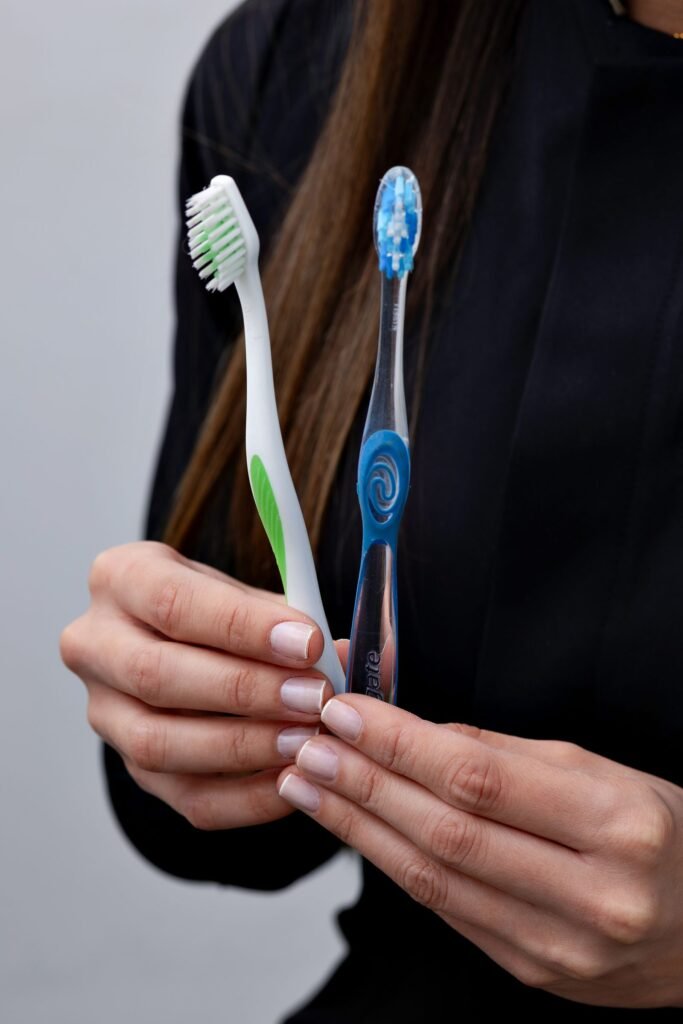
Electric toothbrushes remove plaque somewhat more effectively than manual brushing, according to research comparing the two, mainly by standardizing motion and pressure in a way that’s harder to replicate by hand. A manual toothbrush used correctly and consistently still gets you most of the way there — the gap is real but smaller than the price difference implies.
I used a $3 manual brush for most of my adult life before switching. The switch was worth it. It was not the transformation the marketing implied.
What the research actually shows
A well-known Cochrane review, one of the more rigorous types of research summaries in medicine, found that rotating-oscillating electric toothbrushes reduced plaque and gingivitis more than manual brushing over both short and longer-term use. The effect size was real but modest, not the dramatic before-and-after some product marketing implies.
The key mechanism is consistency. Electric brushes standardize the brushing motion and, on many models, monitor or limit pressure, which removes some of the technique variability that affects how well manual brushing actually works.
Where manual brushing holds its own
Technique matters more than the tool. A manual toothbrush used with proper technique — soft bristles, gentle pressure, full two minutes, covering all surfaces — can perform close to an electric brush in practice. Most of the “electric is better” gap in real-world studies comes from people using manual brushes too quickly, too hard, or inconsistently, not from a hard ceiling on what a manual brush can achieve.
If cost is a real factor, a manual brush used correctly is a completely legitimate choice, not a compromise.
Who benefits most from switching
People who tend to brush too hard benefit from the pressure sensors many electric models include, since over-brushing is a real contributor to enamel wear and gum recession over time — I go into that mechanism in more detail here. People with limited hand dexterity, whether from arthritis or another condition, often find electric brushes easier to use effectively, since the device does more of the motion work. And people who know their technique is inconsistent, rushing through brushing or missing spots, get more benefit from the standardization an electric brush provides.
Does the type of electric brush matter?
Rotating-oscillating brushes have the most research behind them specifically. Sonic brushes, which vibrate at high frequency rather than rotate, are also well-regarded, though the research comparing the two head-to-head is less extensive than research comparing either to manual brushing. Neither is clearly superior to the other based on current evidence — the bigger jump is electric versus manual, not one electric type versus another.
So is it worth the upgrade?
If your technique is already solid and consistent, the improvement from switching to electric is real but modest — worth it if you want it, not urgent if you don’t. If you know your technique is inconsistent, you tend to brush too hard, or you’re managing a condition that makes manual brushing harder, the case for switching is stronger. Either way, frequency and timing matter more than which tool you’re holding — I cover that separately here.
Frequently asked questions
Are electric toothbrushes actually better than manual ones?
Research shows electric toothbrushes, particularly rotating-oscillating models, remove plaque and reduce gingivitis somewhat more effectively than manual brushing. The difference is real but modest, not dramatic.
Can a manual toothbrush be just as effective as an electric one?
Yes, if used with proper technique — soft bristles, gentle pressure, and a full two minutes covering all surfaces. Much of the gap between electric and manual brushing in real-world use comes from inconsistent manual technique, not a hard limit on what manual brushing can achieve.
Who benefits most from an electric toothbrush?
People who tend to brush too hard, those with limited hand dexterity, and people who know their brushing technique is inconsistent tend to see the most benefit from switching to electric.
Is a sonic toothbrush better than a rotating one?
Neither has been shown to be clearly superior to the other. Rotating-oscillating brushes have the most research behind them specifically, but sonic brushes are also well-regarded.
Do electric toothbrushes prevent over-brushing?
Many electric models include pressure sensors that alert you when you’re brushing too hard, which can help reduce the enamel wear and gum recession associated with aggressive brushing over time.
This article is for informational purposes only and reflects general research and my own experience. It is not dental advice and doesn’t replace a consultation with your dentist about which option is right for you.