
You can remove plaque at home. It’s the soft film that builds up daily, and brushing plus flossing clears it. You can’t remove tartar at home. Once plaque hardens into tartar, it’s cemented to the tooth and only a dentist or hygienist can scrape it off. So the real at-home goal is stopping plaque before it turns into tartar, not scraping at buildup that’s already there.
I spent years at the front desk of a dental office, and this was the single most common misunderstanding I heard. People wanted a home fix for tartar that doesn’t exist. Here’s what does work, and where the line is.
Plaque and tartar are two different things
Plaque is a soft, sticky biofilm of bacteria that forms on your teeth within hours of cleaning them. You can feel it as a fuzzy coating by the end of the day. It’s removable with a toothbrush and floss.
Tartar, also called calculus, is what plaque becomes when it sits undisturbed and minerals from your saliva harden it. Cleveland Clinic puts it plainly: you can’t remove tartar by brushing and flossing, it takes a professional cleaning with special instruments. It usually shows up first on the inside of the lower front teeth and along the gumline, yellow or brown, and it gives new plaque a rougher surface to cling to, which speeds the whole cycle up.
What actually removes plaque at home
Nothing fancy. The basics do almost all of it.
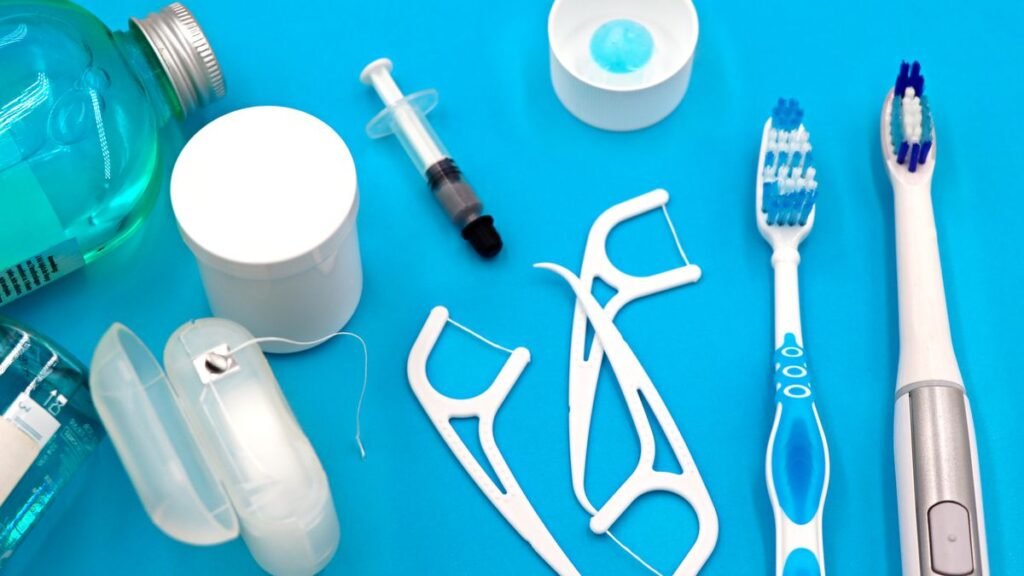
Brush twice a day for two full minutes with a soft brush, angled at the gumline, light pressure. Most people miss the inner surfaces and the back molars, so slow down there. Floss once a day, because plaque between teeth and just under the gumline is exactly where a brush can’t reach. If string floss frustrates you, a water flosser covers similar ground, and I compared them in water flosser versus string floss. The case for flossing at all is in do you really need to floss.
An electric toothbrush removes more plaque than a manual one for most people, mostly because it keeps a consistent motion and makes it harder to rush. That comparison is in electric versus manual.
Do baking soda or “tartar control” toothpastes help?
Baking soda toothpaste is a mild abrasive, and a review in the Journal of the American Dental Association found baking soda dentifrices remove plaque and surface stain more effectively than pastes without it. Tartar-control toothpastes use ingredients like pyrophosphates that slow new tartar from forming above the gumline. Both help with prevention. Neither dissolves tartar that’s already hardened on, despite what some marketing suggests.
The DIY methods that circulate online, scraping with a metal pick, brushing with straight baking soda and hydrogen peroxide, vinegar rinses, are where people get into trouble. A dental pick in untrained hands scratches enamel, damages gums, and pushes bacteria under the gumline. Skip those.
Does coffee cause tartar?
Not really, and this is worth clearing up because a lot of people assume it does. Coffee stains tartar, which makes existing buildup look darker and more obvious, but it doesn’t create more of it. Tartar forms from minerals in your saliva hardening plaque, and that happens whether you drink coffee or water.
What coffee’s acidity does do is briefly soften enamel, and if you brush hard right after a cup you can wear enamel over time, which is a separate problem from tartar. The fix is the same either way: rinse with water after coffee, wait 30 to 60 minutes before brushing, and drink it in a sitting rather than sipping all morning. More on the stain side in why coffee stains teeth.
When to see a dentist
If you can see or feel hard, rough deposits along your gumline or behind your lower front teeth, that’s tartar, and it needs a professional cleaning. The ADA recommendation of a cleaning roughly every six months exists for this reason: even good brushers leave some plaque behind, and it hardens on schedule. If your gums bleed when you brush or floss, that’s often the first sign tartar is irritating the gumline, and I get into that in why gums bleed when brushing.
Persistent buildup, chronic bad breath, or gum irritation that doesn’t improve with better home care can also tie back to the bacterial balance in your mouth. I tested a chewable aimed at that in my Synadentix review (affiliate link, full disclosure here), though I’ll be clear it’s a supplement, not a substitute for a cleaning or for flossing.
Frequently asked questions
Can you remove tartar at home without a dentist?
No. Once plaque hardens into tartar, it’s bonded to the tooth and only a dentist or hygienist can remove it with professional instruments. At home, you can remove soft plaque and prevent new tartar, but not scrape off what’s already formed.
What’s the difference between plaque and tartar?
Plaque is a soft, sticky bacterial film that forms daily and comes off with brushing and flossing. Tartar is plaque that has hardened with minerals from saliva. It’s rough, yellow or brown, stuck to the tooth, and needs a professional cleaning.
Does baking soda remove tartar?
Baking soda toothpaste helps remove plaque and surface stain and can slow new tartar from forming, but it doesn’t dissolve hardened tartar. Brushing with straight baking soda and peroxide is abrasive and not a safe way to attack existing buildup.
How do I stop tartar from building up?
Disrupt plaque before it hardens: brush twice daily for two minutes with a soft brush, floss once a day, consider an electric brush and a tartar-control toothpaste, and keep dental cleanings roughly every six months.
Is it safe to use a dental pick to scrape tartar off myself?
No. Picking at tartar with a metal instrument at home commonly scratches enamel, cuts or bruises gums, and can push bacteria below the gumline. Leave scaling to a professional.
Does drinking coffee cause more tartar?
Coffee stains tartar and makes existing buildup more visible, but it doesn’t cause more of it. Tartar forms from saliva minerals hardening plaque regardless of what you drink. Coffee’s acidity is a separate concern for enamel wear.
This article is for informational purposes only and reflects general research and my own experience. It is not medical or dental advice and doesn’t replace a consultation with your dentist or hygienist about plaque, tartar, or gum health.